
Why Traditional Security Solutions Are Ineffective for Multi-Unit Retailers
Ensuring robust security across multiple retail locations is essential for managers and owners, but evolving theft techniques have outpaced traditional loss prevention measures. Conventional alarm systems and manual monitoring often fail to detect sophisticated shoplifting and organized retail crime, damaging both the bottom line and customer experience. In this article, we’ll review legacy retail security approaches and explain why smart surveillance solutions, such as ai cctv for retailers, video analytics, and centralized multi-location monitoring, are becoming necessary to counter modern theft strategies.
1. Traditional Measures: Human Patrols and Alarm Systems
In-person Security Personnel - contrast with AI CCTV for retailers
Employing security guards at each location is a common strategy to deter theft. While effective on a small scale, this approach has notable limitations across retail locations.
Challenges:
- High costs: Employing security personnel at every store substantially raises fixed expenses, squeezing profit margins—an issue that grows with multiple locations.
- Limited coverage: Security guards are unable to observe all activity at once, which is especially problematic in larger or busier stores to prevent theft.
Traditional Alarm Systems and Video Surveillance
Alarm systems and surveillance cameras have long been used to deter and detect shoplifting, recording events and alerting staff to break-ins in.
Challenges:
- Delayed response: These solutions generally act only after a theft has taken place, limiting the opportunity for immediate intervention as it is hard to operate in real time.
- Lack of autonomous intelligence: Cameras depend largely on human oversight, resulting in higher operating costs and reduced effectiveness.
- False alarms: Frequent false positives inundate security teams and weaken the ability to respond appropriately when real shoplifting incidents happen.
2. Modern Theft Techniques: Rapidly Advancing and Increasingly Sophisticated
Smarter & Organized Retail Theft
Modern professional shoplifters employ more high-risk, elaborated and coordinated methods to carry out thefts, putting pressure on conventional security measures.
Key characteristics include:
- Team coordination: Rings divide tasks among members and use distraction tactics to distract staff and security personnel.
- Advanced concealment: Perpetrators utilize specially modified clothing or bags to effectively hide merchandise from the security staff.
- Technological sabotage: They deploy gadgets to silently disable security tags or alarm systems to avoid any alert.
Internal or Employee Theft: An Often-Overlooked Threat for Retail Security
Employee theft remains a major but frequently underestimated problem for retailers. Internal theft is especially hard to combat because staff know where systems are vulnerable; deploying ai technologies and ai video cctv for retailers can help detect patterns that humans miss.
Key Characteristics include:
- Exploiting system weaknesses: Employees may take advantage of gaps in inventory controls and monitoring systems.
- Direct access: Staff often have uncomplicated entry to restricted areas and points of sale (pos), making incidents harder to spot even with security cameras.
3. Why Traditional Solutions Are No Longer Enough: The Need for Adaptive and Proactive Security for Theft prevention
As theft methods advance, conventional security measures increasingly fall short for multi-unit locations. The rising sophistication of organized theft, insider risks, and technological sabotage calls for more nimble, intelligent responses. On top of that, upholding legacy security systems and surveillance footage creates substantial financial and administrative strain leading to a shrinkage issue.
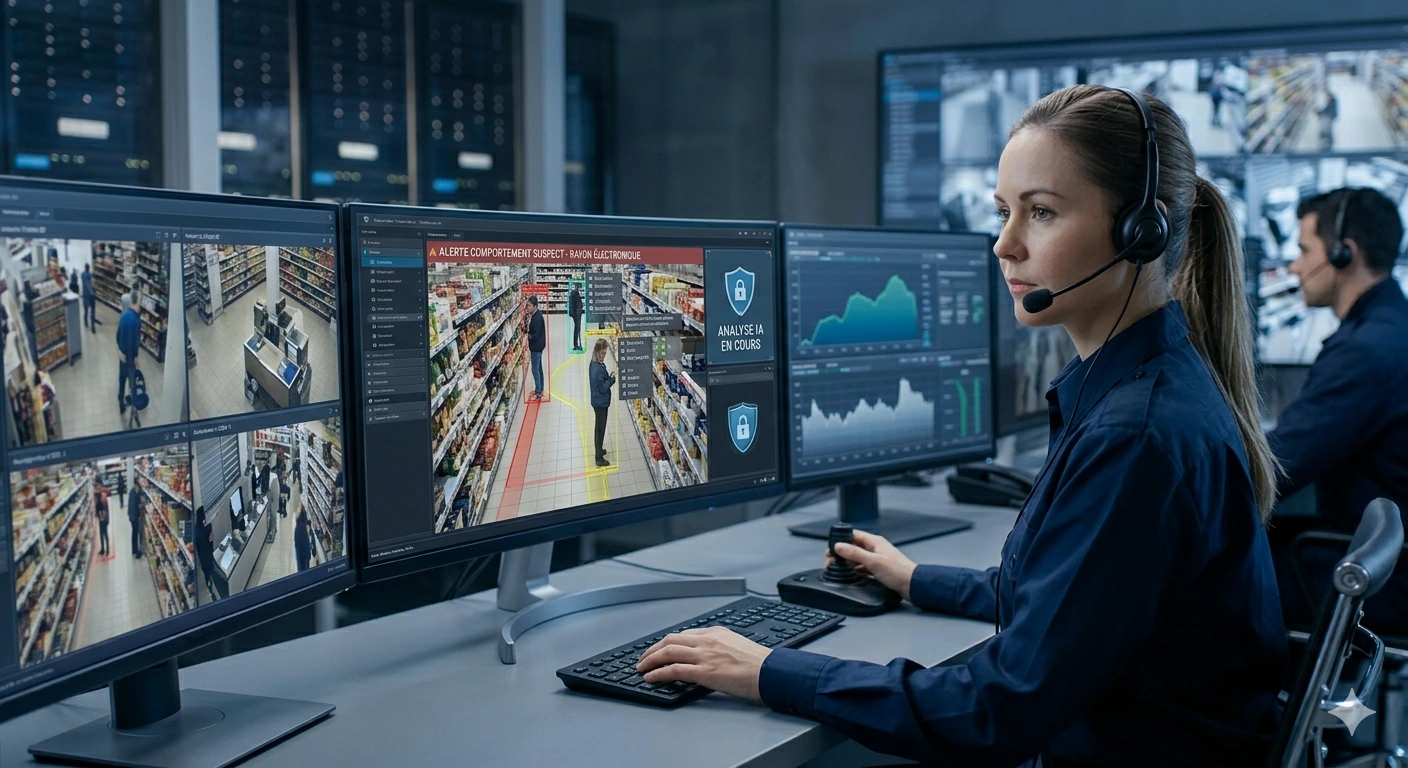
Protecting multiple retail locations requires a versatile, intelligent strategy able to proactively address varied risks across numerous sites. Systems powered by AI ( from ai video analytics, real time alerts and behavior detection) , like those from Anavid, deliver proactive detection of suspicious behavior and rapid loss prevention, together with centralized, simplified monitoring.
AI-Powered Security: A Versatile Answer to Contemporary Challenges for Retailers Worldwide
As theft techniques evolve quickly, multi-unit operations need advanced, adaptive security approaches designed for their complexity. Owners and managers should adopt intelligent, flexible systems to counter modern threats effectively in real-time.
Anavid's AI-powered security system uses ai cctv for retailers to detect suspicious behavior in real time and issues immediate alerts for rapid intervention. For managers responsible for multiple retail locations, deploying AI-driven security is essential to tackle contemporary theft challenges head-on and gain ai analytics insights on your foot traffic .
Contact Anavid today to learn how our AI solutions can strengthen your retail surveillance across your units, substantially lowering losses, reduce shrinkage and cutting operational costs. All this while to ensure safety and avoid theft incidents.